
Theme parks are more than destinations—they are carefully designed worlds where stories unfold through every pathway, facade, and overhead canopy. In these vibrant, high-traffic environments, architecture must do more than provide shelter. It has to create atmosphere, enhance movement, and add to the sense of wonder.
That’s where lightweight tensile structures—crafted from PVC-coated or PTFE-coated membranes and ETFE films—truly shine. At ADAS, we’ve had the privilege of designing and installing such structures across internationally renowned parks, including LEGOLAND Malaysia, LEGOLAND Florida, and Night Safari Singapore. Through these projects, we’ve seen firsthand how tensile architecture doesn’t just support theme park design—it elevates it.
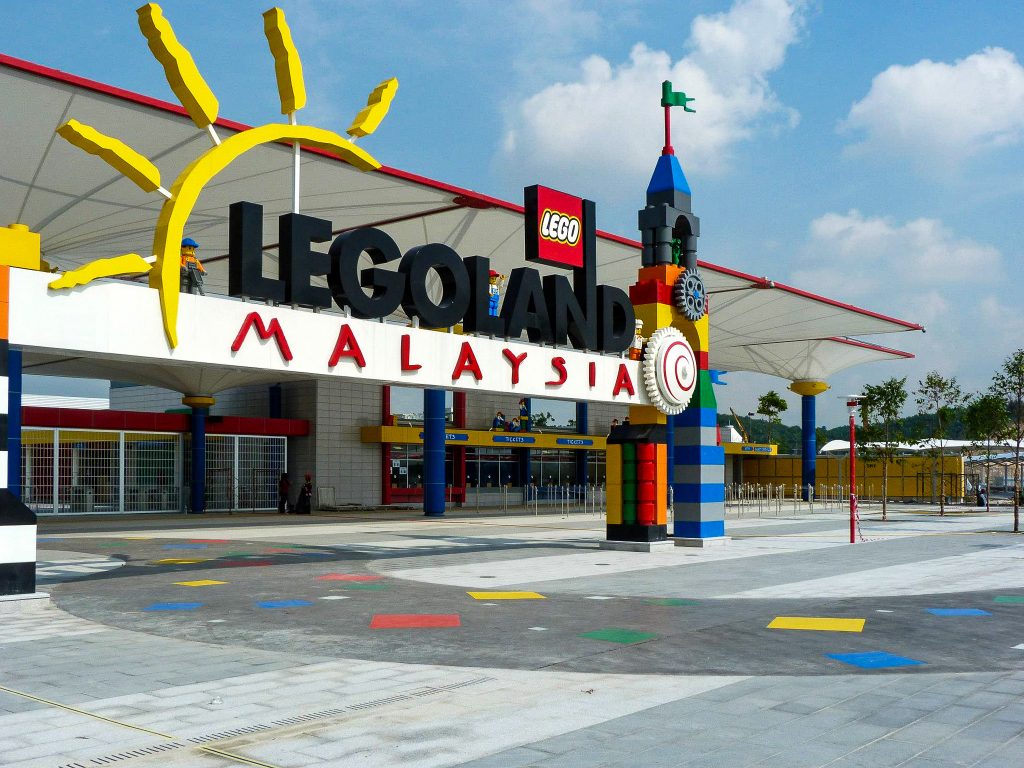
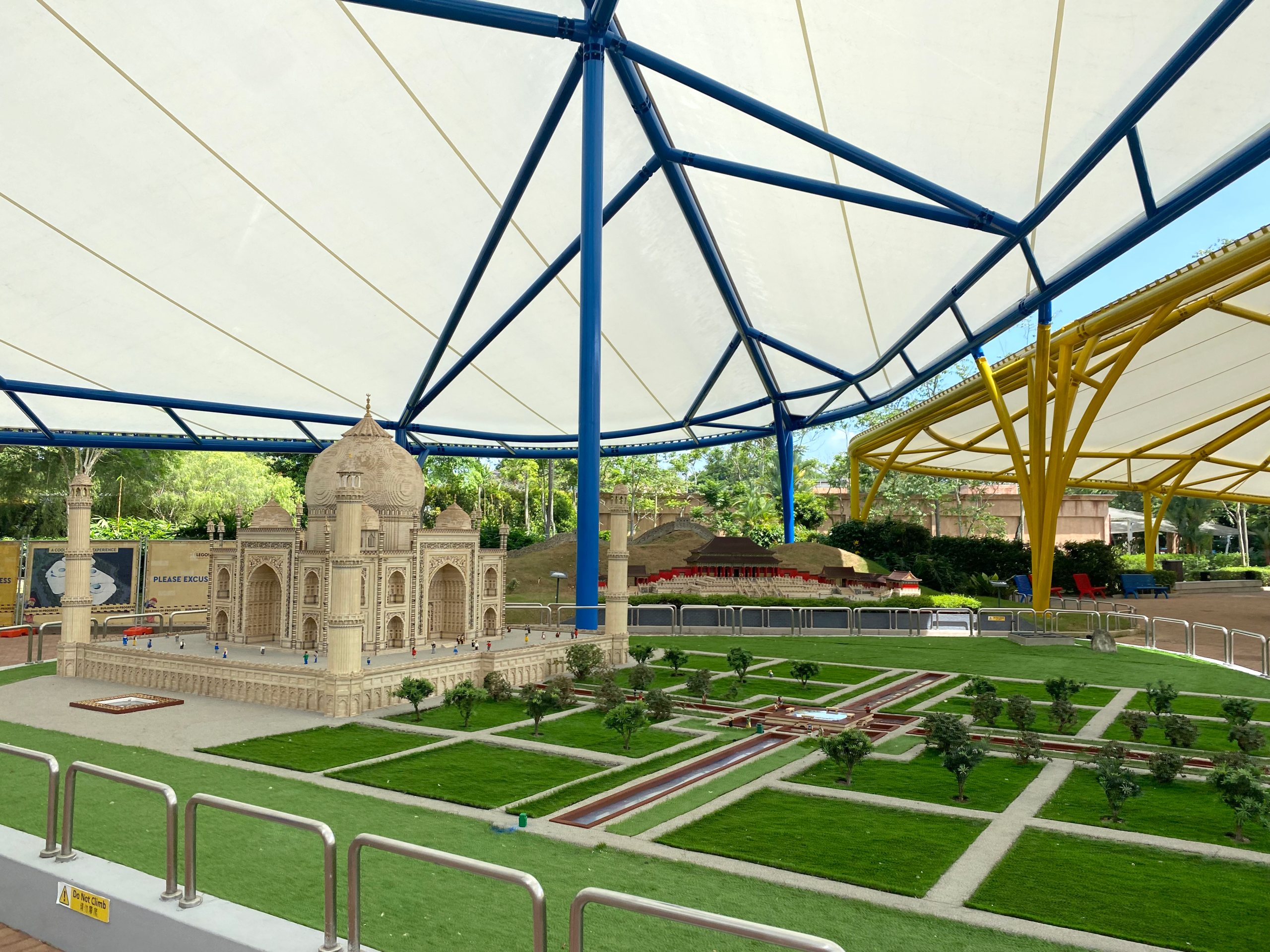
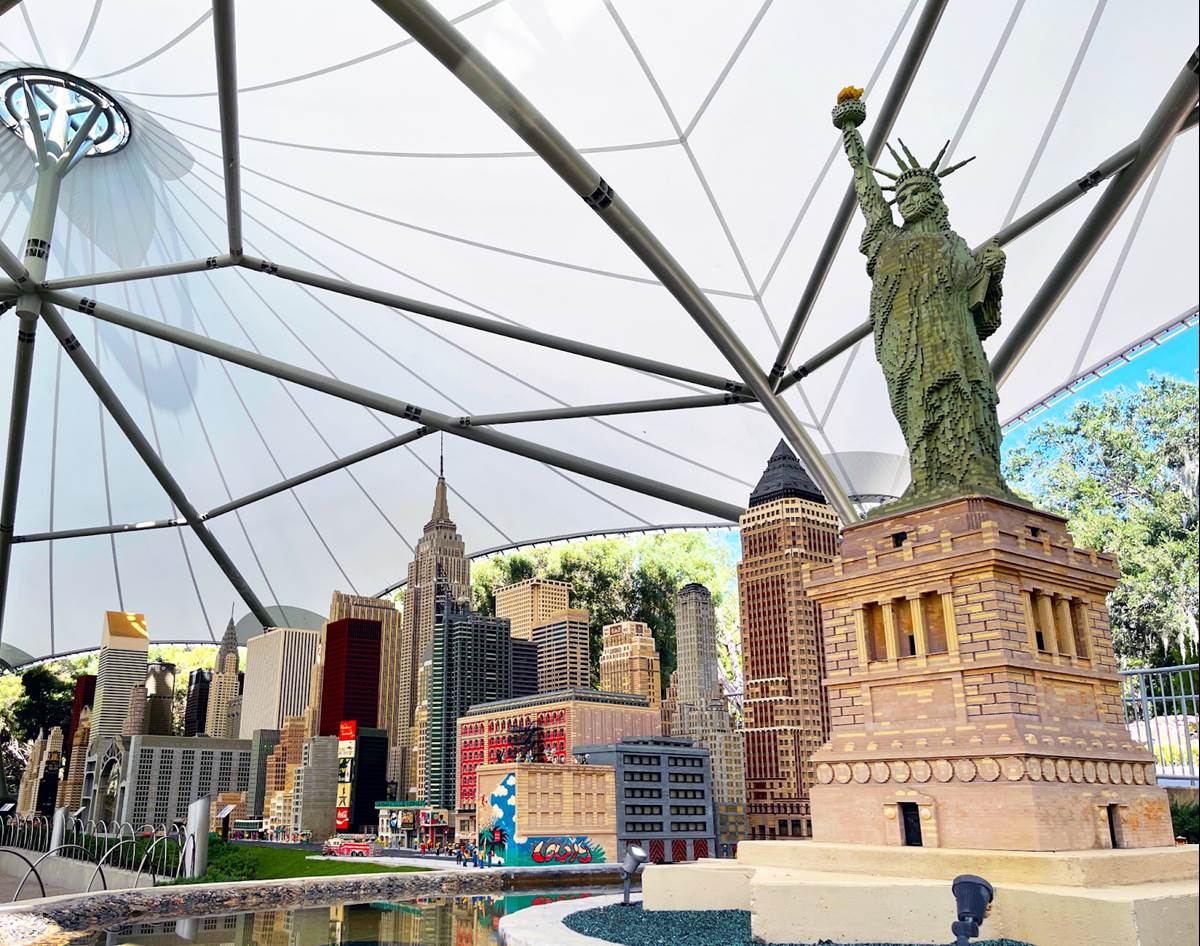
Tensile structures allow for free-form geometry and sculptural silhouettes that ignite the imagination—making them ideal for theme parks where creativity leads the way. At LEGOLAND Malaysia, our entrance canopy does more than offer shelter; it sets the tone for the entire experience. Inside the park, the canopies covering MINILAND protect intricate outdoor LEGO sculptures while providing a comfortable, shaded environment for guests to explore and linger. With dynamic curves and a lightweight PVC membrane, the structures feel playful and energetic—perfectly echoing LEGO’s vibrant brand spirit.
In every detail, we strive to emulate the essence of the park. From referencing the shapes of LEGO bricks to incorporating the brand’s iconic colour palette, our design approach brings function and fantasy together, making the structure not just supportive, but symbolic.
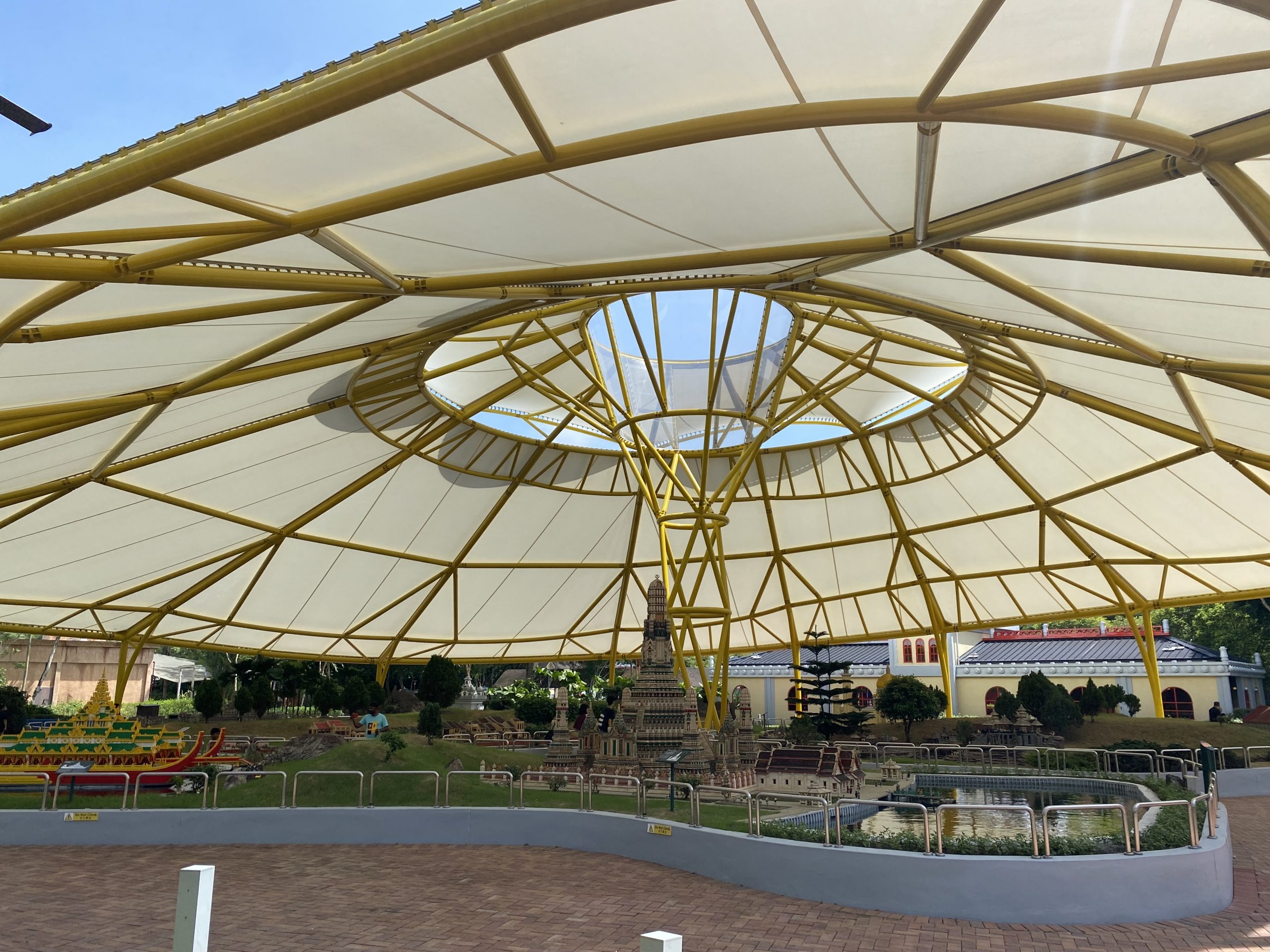
Unlike conventional roofing systems, tensile structures are not just constrained by rigid framing. They can stretch into dramatic canopies, wave-like forms, or floating domes, blending seamlessly with themed zones, architectural storytelling, or natural surroundings.
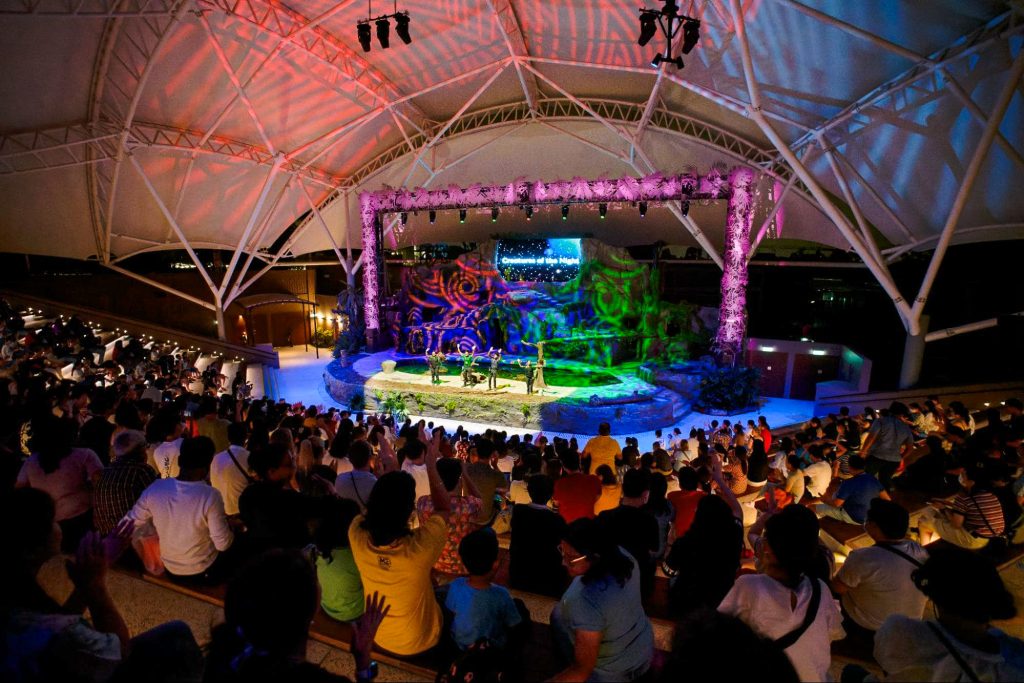
Comfort is crucial for a great guest experience. Tensile membranes, whether PTFE-coated fiberglass or PVC-polyester, offer weather protection without bulk. In Night Safari Singapore, our tensile roof structures provide shelter over their performance amphitheatre, protecting visitors from rain while maintaining airflow and a sense of openness critical to blending with nature.
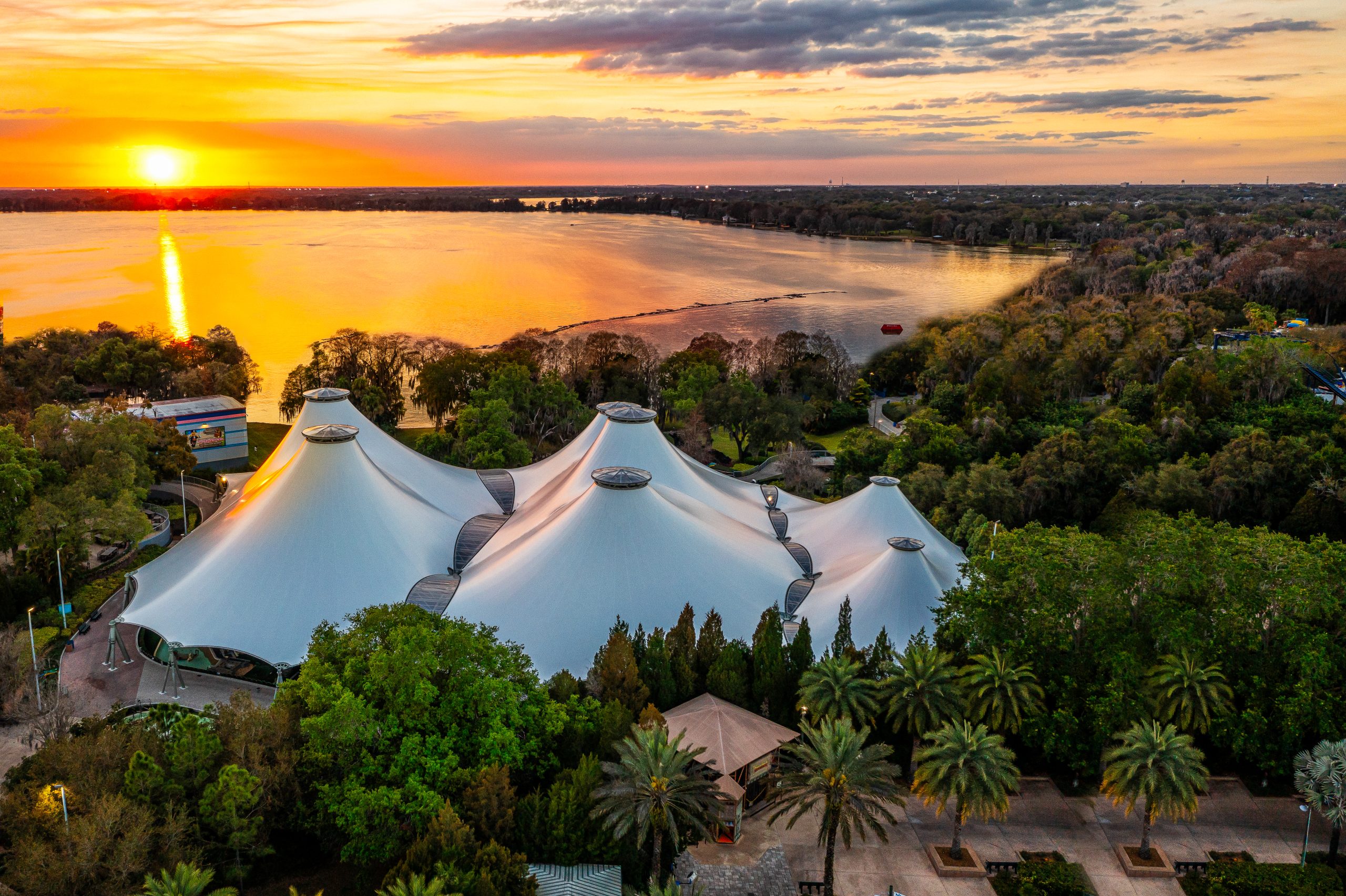
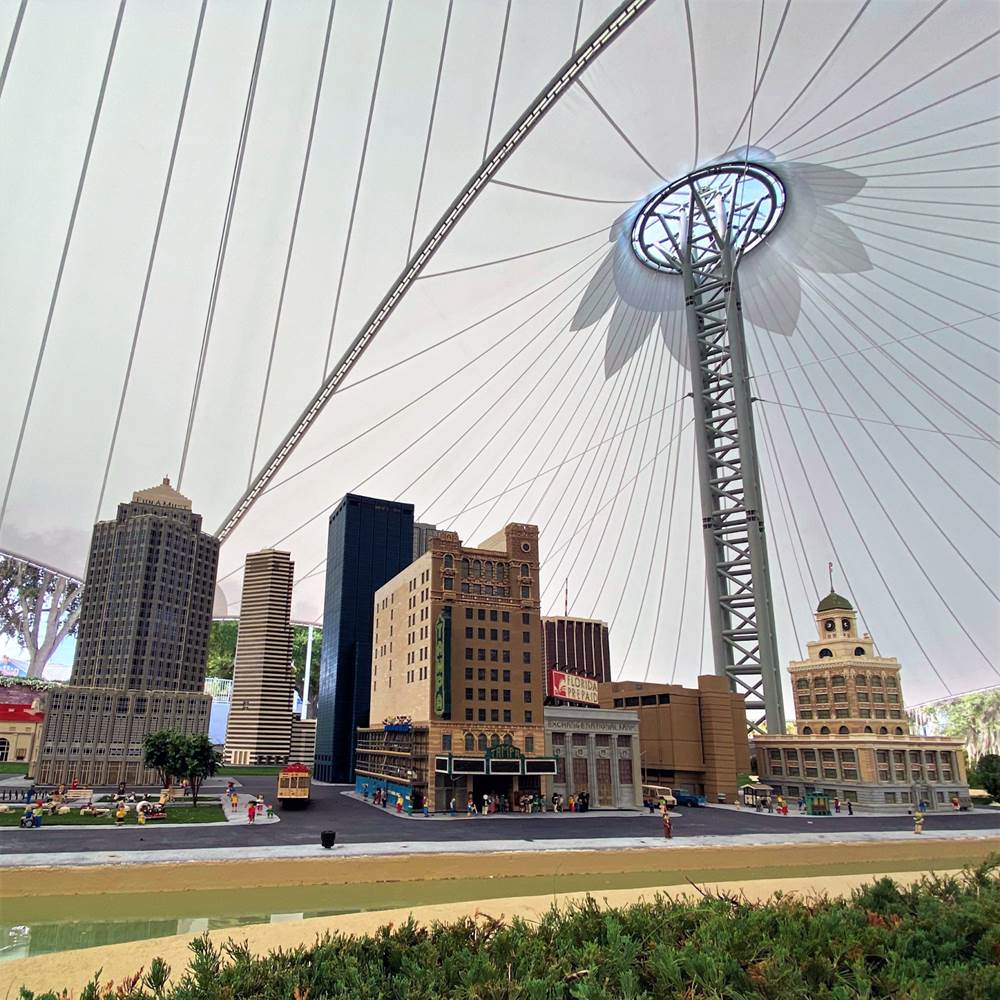
Meanwhile, ETFE films offer a different but equally powerful solution: transparency and lightness. At LEGOLAND Florida’s MINILAND, we used a combination of PTFE and ETFE to cover the miniature cityscapes while allowing 60–95% of natural daylight to shine through at various locations under the canopy. This 30,000sqm canopy not only protects the delicate LEGO models from harsh weather and UV damage but creates a soft, ambient environment that enhances the visual impact of the exhibits.
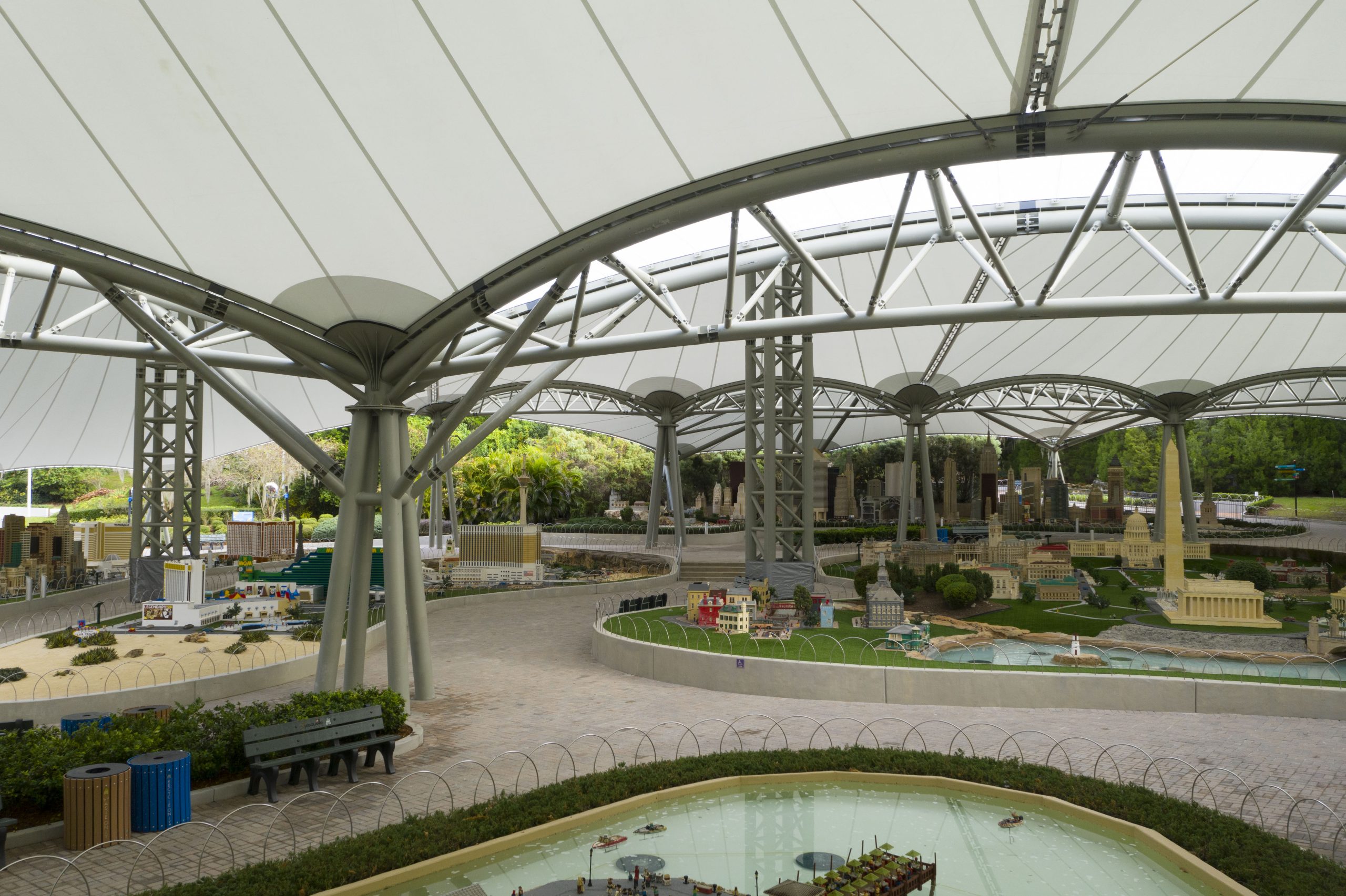
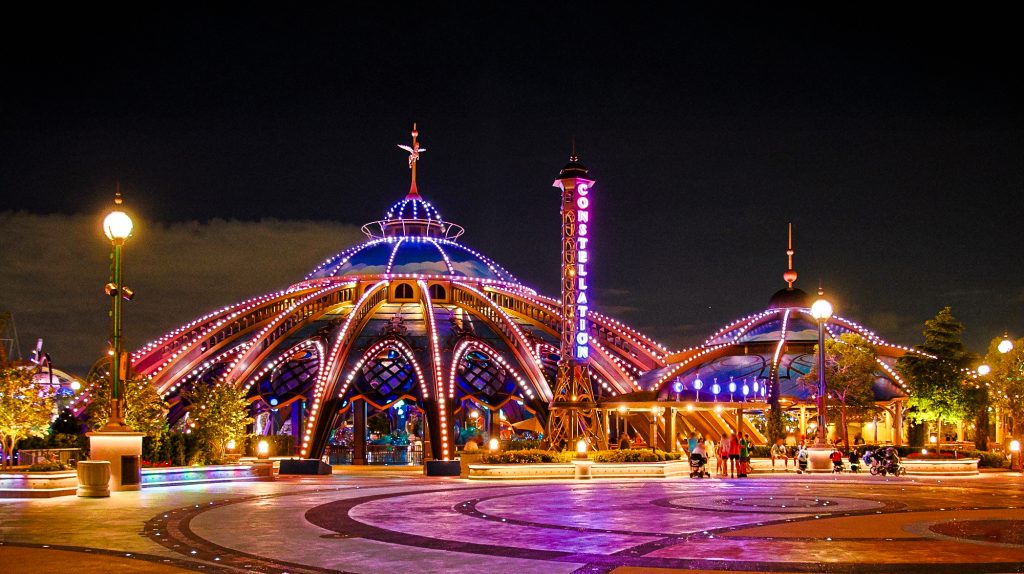
The way tensile structures interact with light is unique—and a major asset in theme parks that operate from morning into evening. During the day, PTFE’s matte white surface reflects sunlight, creating a cool, shaded space underneath. At night, these same surfaces can be up-lit or backlit, transforming into glowing sculptural forms that contribute to nighttime ambiance.
ETFE takes this a step further. As a film material, it can be printed, tinted, or illuminated, creating opportunities for projection mapping, branded effects, or subtle colour filtering—turning roofs into experience-enhancing features instead of just overhead cover.
The lightweight nature of tensile systems means significantly less structural steel is needed to support long-span structures. This not only reduces material costs and foundation loads, but also shortens construction timelines—an especially important advantage in theme parks where speed and precision are everything.
At ADAS, our in-house fabrication capabilities allow us to resolve design refinements and adjustments early, before anything leaves the factory. This ensures smoother on-site assembly and minimises disruption to park operations. In live environments where downtime must be kept to an absolute minimum, this kind of agility is essential—helping our partners stay on schedule without compromising on design.
Theme parks demand resilience. Whether it’s Singapore’s tropical humidity or Florida’s storm-prone climate, tensile materials are up to the task. PTFE-coated membranes are resistant to UV, fire, mould, and pollution, with life expectancies reaching up to 30 years or more. ETFE films, despite their featherweight appearance, can withstand extreme wind loads and self-clean with rainwater.
When Hurricane Ian and Hurricane Milton swept across Florida in 2022 and 2024 respectively, our canopy at LEGOLAND Florida’s MINILAND stood firm—an important testament to the durability of these materials when engineered and installed correctly.
In an industry increasingly conscious of environmental impact, tensile architecture offers several green benefits. High translucency reduces the need for artificial lighting during the day, and natural ventilation designs reduce reliance on mechanical cooling. Both PTFE and ETFE are recyclable and can contribute to LEED and other green certification goals when used as part of an integrated sustainable design strategy.
In the world of theme parks, structures are never just structural. They shape moods, guide movement, and amplify storytelling. At ADAS, our approach to tensile design is rooted in this philosophy. We believe in building structures that do more than protect from the weather—they inspire, engage, and become part of the magic.
With a proven track record in high-performance parks like LEGOLAND Malaysia, LEGOLAND Florida, and Night Safari Singapore, we’re ready to bring the same creativity and technical excellence to your next themed environment.
Let’s design something unforgettable.
Contact us at mepl@me.com.sg or learn more at www.me.com.sg
By AFIQ, 2025